
If your medical marijuana card is close to its expiration date or has already expired, then renewal of this card in Montana can be done easily. The guide below highlights all you need to know concerning the process of renewing your cannabis card in Montana in the year 2026.
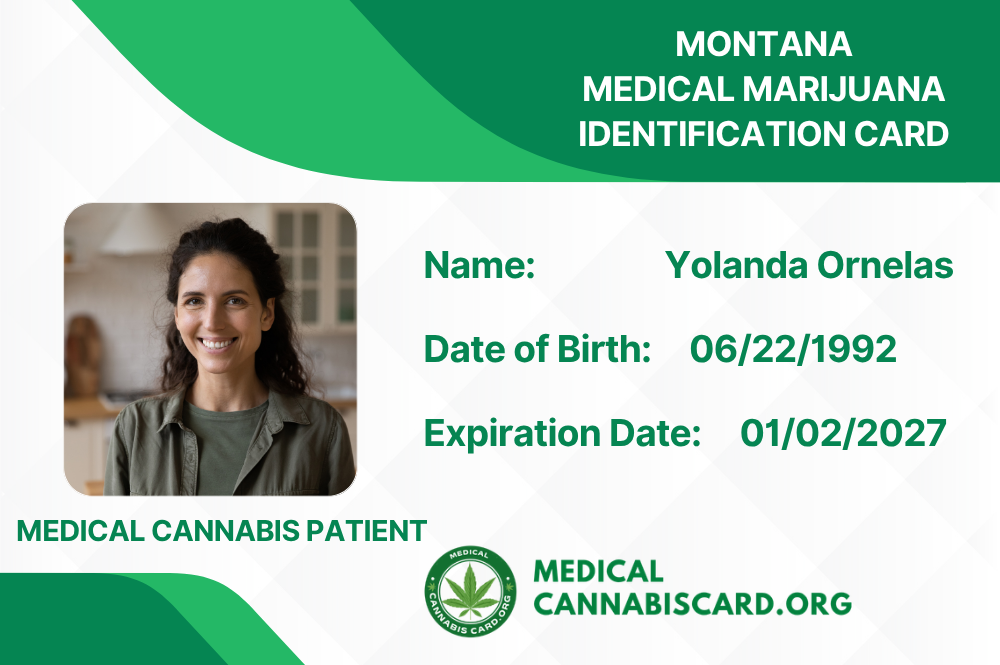
The wide-open vistas of Montana, from the snowy peaks of the Mission Mountains to the winding banks of the Yellowstone River, offer a sense of freedom unlike anywhere else. If you are a medical cannabis patient in the Big Sky State, part of that freedom is having consistent access to your medicine. However, that access has an expiration date. Your medical card is not permanent. As we move through the year, many residents are asking how to renew Montana Medical Marijuana Card in 2026 to avoid a lapse in their coverage. Whether you are living in a historic ranch house in Dillon or a modern condo in downtown Missoula, keeping your card active is essential for your health and your wallet.
In this guide, we will break down the renewal process. We want to make it as easy as a summer drive down the Beartooth Highway. By following these steps, you can ensure that you continue to receive the benefits that only the medical program provides.
It might be tempting to let your card lapse, especially since recreational marijuana is legal in Montana. But for serious patients, the medical card is a vital tool. If you let it expire, you lose several key protections and benefits.
First, the cost difference is huge. Recreational users pay a high state tax of 20%, plus any local taxes added by counties like Gallatin or Lewis and Clark. Medical patients only pay a 4% tax. If you use cannabis daily for chronic pain or MS, these savings can pay for a month’s worth of groceries at a local market in Billings.
Second, the weather in Montana can be unpredictable. During a heavy blizzard in Great Falls or a week of sub-zero temperatures in Havre, you don’t want to be running to the store constantly. Medical cardholders have higher possession limits.
This allows you to stock up on the medicine you need to stay comfortable and safe inside your home. Knowing how to renew Montana Medical Marijuana Card in 2026 ensures you keep these “bulk” purchase privileges.
Timing is everything in Montana. Just like you wouldn’t wait until the first snow to get your winter tires, you shouldn’t wait until the last day to renew your card. The Montana Cannabis Control Division (CCD) suggests starting the process at least 30 days before your current card expires.
If your card expires, you are legally considered a recreational user. This means you will pay higher prices immediately. It also means you cannot purchase medical-grade products that may be reserved for patients. By learning how to renew Montana Medical Marijuana Card in 2026 early, you stay protected.
The first step is a new medical evaluation. Even if your condition is chronic, the state requires a licensed physician to verify your status every year. The good news is that telehealth is now a permanent part of the Montana landscape.
You do not have to drive across mountain passes to see a doctor. You can book a video call from your living room. Whether you are tucked away in a log cabin in Seeley Lake or working a shift in Butte, you can see a doctor on your phone. During this visit, you will discuss how the treatment has helped you over the last year.
To complete your online renewal, you will need a few things ready on your computer or phone:
Once you have your doctor’s recommendation, log in to the TransPort portal (managed by the Department of Revenue).
Consider the story of “Martha,” a 72-year-old resident living near Sidney. Martha uses medical cannabis to manage severe arthritis. Last year, she forgot to renew her card. When she went to her local dispensary, she was shocked to find her bill was $50 higher due to recreational taxes.
“I live on a fixed income,” Martha told us. “I can’t afford an extra $50 every visit. I also realized I couldn’t buy the high-strength tincture that helps me sleep.” Martha quickly looked up how to renew Montana Medical Marijuana Card in 2026.
She used our telehealth service and spoke with a doctor while sitting on her porch. Within a week, she had her new digital card. She saved money and got her medicine back. Martha’s experience shows why staying on top of your renewal is so important for residents in rural areas.
Many Montanans run into small issues that delay their cards. Here is how to avoid them:
Once your renewal is approved, you will receive an email. You can download your new digital card immediately. Montana no longer sends paper cards in the mail. You can show this digital card on your phone at any dispensary from Kalispell to Miles City.
Remember, having a medical card also protects you if you grow your own plants. As a renewed patient, you can grow more plants than a recreational user. This is a great benefit for those who live on larger properties and want to be self-sufficient.
Your health is too important to leave to chance. By understanding how to renew Montana Medical Marijuana Card in 2026, you are taking a proactive step for your future. Don’t wait for your medicine to become more expensive. Don’t wait until you are stuck behind a closed mountain pass in a winter storm.
The process is fast, affordable, and can be done entirely from the comfort of your own home. Whether you are a long-time resident or new to the Big Sky Country, we are here to help you through every step.
Stay healthy, stay legal, and keep enjoying the beautiful state we call home. Remember, the best time to learn how to renew Montana Medical Marijuana Card in 2026 is today.
Yes. You do not have to see the same doctor who gave you your first card. You can choose any licensed Montana provider who offers medical marijuana evaluations.
You should update your address with the MVD first. Then, when you renew your card, ensure the address matches your new home.
Yes, the state fee for a standard patient card renewal remains $20.
Some states have “reciprocity,” meaning they accept Montana cards. However, you should always check the local laws of the state you are visiting.