
For a patient living in Montana and suffering from any form of chronic illness, obtaining a medical cannabis card could be the best thing to do for oneself. With the introduction of the medical cannabis program in Montana, you will have access to the plant legally in several instances, apart from other perks that are reserved exclusively for medical patients. If you want to learn more about acquiring a medical card, then continue reading.
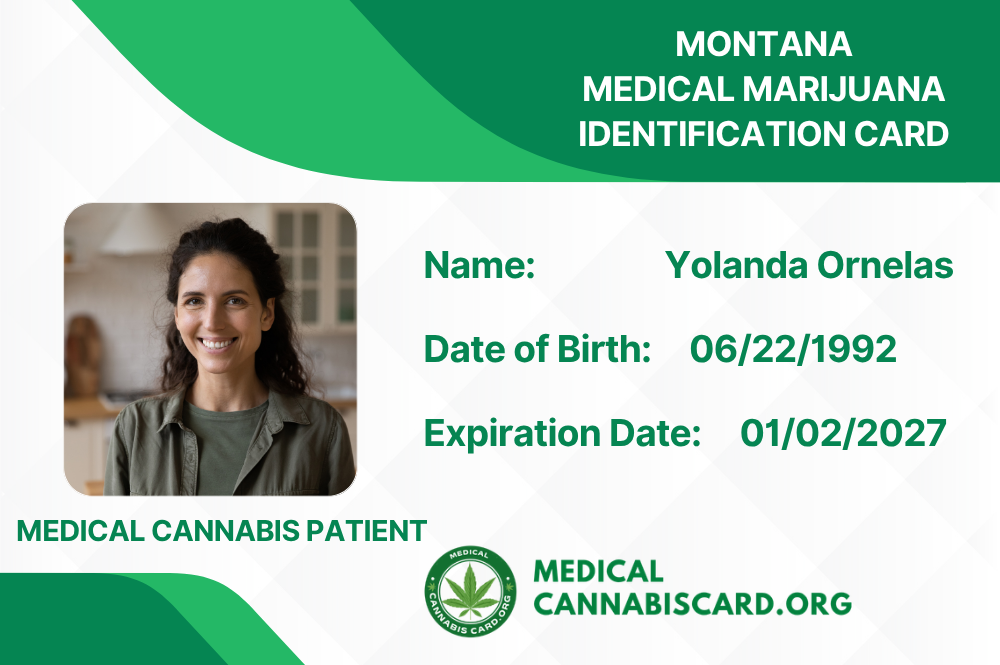
Living in the “Big Sky Country” means enjoying wide-open spaces, from the rugged peaks of Glacier National Park to the rolling plains near Billings. However, if you are dealing with a chronic health condition, those wide-open spaces can make it hard to reach a doctor’s office. Whether you are hunkered down in a cozy log cabin during a Bozeman snowstorm or busy working a ranch near Miles City, you need a simple way to access your medicine. Fortunately, the state has made the process digital. In this guide, we will show you exactly how to get Montana Medical Marijuana Card online so you can focus on your health without the long drive.
Montana has a long history with medical cannabis. The state first legalized it in 2004, and the program has evolved significantly since then. Today, the Cannabis Control Division (CCD) under the Montana Department of Revenue manages the program. While recreational marijuana is now legal in the state, holding a medical card offers several benefits. These include lower taxes on purchases and higher possession limits, which are vital for patients managing severe symptoms.
Knowing how to get Montana Medical Marijuana Card online is the first step toward finding relief. The process is designed to be user-friendly, allowing you to complete your doctor’s evaluation and your state application from your own living room. This is especially helpful during our harsh winters when the roads to Missoula or Great Falls might be blocked by ice and snow.
Before you begin, you must ensure you meet the state’s basic requirements. To apply for a card in Montana, you must:
The state maintains a specific list of conditions that qualify a patient for medical cannabis. If you live with any of the following, you likely qualify:
Many Montanans, from veterans in Helena to retirees in the Flathead Valley, find that medical cannabis helps manage these difficult symptoms.
The most important part of the process is getting a professional recommendation. You no longer need to sit in a cold waiting room. You can book an appointment with a licensed Montana medical marijuana doctor through a telehealth platform.
During this video call, the doctor will review your medical history. They want to understand how your condition affects your life. If you are a carpenter in Whitefish struggling with back pain or a teacher in Butte dealing with PTSD, be honest about your symptoms. Once the doctor determines that medical cannabis is a safe and effective option for you, they will issue a signed Physician Statement.
Once you have your physician statement, the next step in how to get Montana Medical Marijuana Card online is visiting the Complia Industry Portal. This is the official state website where you submit your application.
Montana has moved away from mailing plastic cards. Once the CCD approves your application usually within a few business days—you will receive an email. You can then log back into the portal and download your digital medical marijuana card. You can print this out or keep it on your smartphone.
With this card, you can visit any licensed medical dispensary in the state. Whether you are stopping by a shop near the University of Montana or a dispensary in downtown Bozeman, your card proves you are a registered patient.
For residents of the fourth-largest state in the U.S., convenience is everything. Here is why the online path is the best choice:
Having your medical card changes how you experience our beautiful state. Imagine being able to enjoy a summer evening by the Missouri River without being sidelined by chronic pain. Or being able to sleep through a quiet, snowy night in the Gallatin Valley because your PTSD symptoms are finally under control.
Medical cannabis is more than just a product; for many, it is a tool for wellness. It allows residents to stay active in our local communities, from attending the State Fair in Great Falls to hiking the trails near Big Sky.
By following the steps on how to get Montana Medical Marijuana Card online, you are taking control of your health journey.
Don’t let chronic symptoms hold you back from enjoying everything Montana has to offer. Whether you want to fish the Madison River or simply enjoy a walk through your neighborhood, relief is within reach. Now that you know how to get Montana Medical Marijuana Card online, there is no reason to wait. The process is fast, affordable, and completely legal.
Experience the freedom of Big Sky Country with the relief you deserve. Apply for your certification today and join the thousands of Montanans who have found a better quality of life through the state’s medical marijuana program.
Your card is valid for one year from the date of issue. You should start the renewal process about 30 days before it expires to avoid any lapse in coverage.
Yes, Montana medical cardholders are allowed to grow their own cannabis at home. However, you must follow specific state rules regarding the number of plants and ensure they are in a locked, private space.
Yes. The Montana Cannabis Control Division keeps patient records confidential. Your employer or landlord does not have access to the state’s medical marijuana registry.When you buy a gun, you fill out a federal form. Lying on that form is a crime. Be very careful and know the risks.
Montana does have reciprocity laws, meaning visitors with valid medical cards from other states may be able to purchase medical cannabis here. However, for residents, it is always best to have a Montana-issued card for full legal protection and lower taxes.
However, if you have a “safety-sensitive” job, these rules do not apply. This includes truck drivers, heavy machinery operators, and medical staff.