
Fair prices. Fast approvals. Your health always comes first. Get Qualified for a Montana Medical Marijuana Card Today.
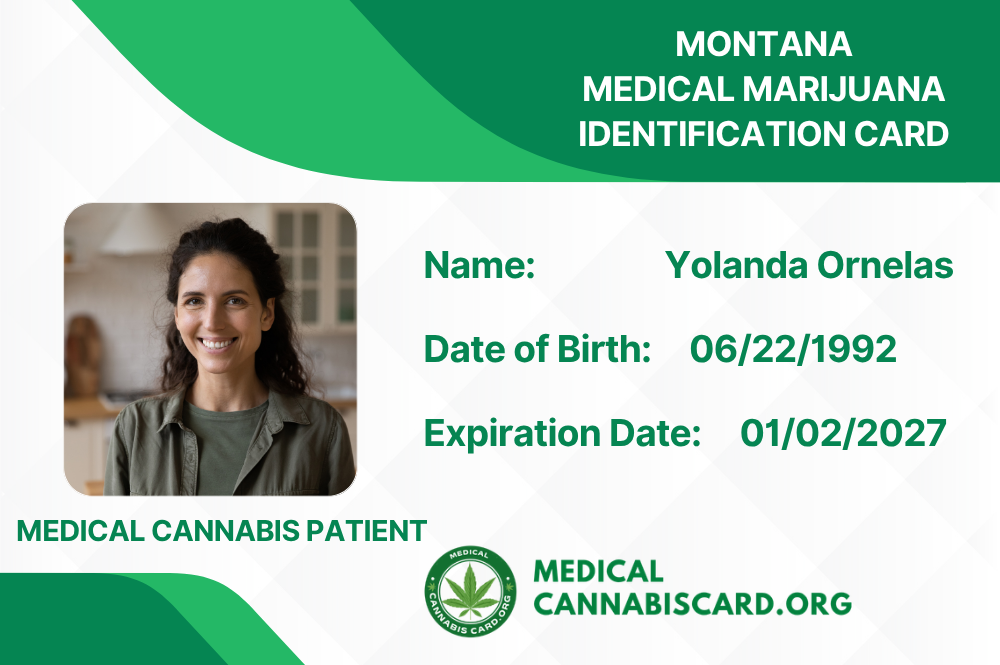
Whether you are a rancher in the Eastern plains or a skier in Whitefish, your health is your most valuable asset. As of this year, many residents are looking for natural ways to manage their wellness. Understanding the qualifying conditions for Medical Card in Montana 2026 is the first step toward finding relief that fits your lifestyle.
The Montana medical marijuana program has seen many updates. Even though adult-use cannabis is now legal, the medical program remains a vital resource. It provides lower costs and higher purchase limits for those who truly need it for health reasons. In this guide, we will walk you through the current state laws and the specific health issues that allow you to join the program.
You might wonder why you need a card when recreational shops are open in cities like Missoula and Great Falls. The answer lies in the benefits provided to patients. Medical cardholders pay significantly lower taxes than recreational users.
This is a huge help for those living on a fixed income in our small mountain towns. Furthermore, medical patients often have access to higher potency products and higher possession limits. This is crucial if you live in a remote area like the Bitterroot Valley and cannot make frequent trips to the dispensary.
To access these benefits, you must have one of the qualifying conditions for Medical Card in Montana 2026. The state wants to ensure that medical cannabis is used as a legitimate tool for health improvement.
The Montana Department of Revenue’s Cannabis Control Division oversees the list of eligible conditions. As of 2026, the following health issues qualify a patient for a medical marijuana card:
Chronic pain is the most common reason Montanans seek a medical card. Our state is full of hardworking people. Many have spent decades working on ranches, in mines near Butte, or in the logging industry. This physical labor can lead to long-term injuries. When the winter temperatures drop below zero in places like Havre or Glasgow, old injuries tend to flare up.
If your pain keeps you from enjoying a walk in Glacier National Park or makes it hard to maintain your home in Helena, you may qualify. The law requires that the pain is “severe” and “chronic.” This means it has lasted for a long time and has not responded well to other treatments. When you meet with a doctor online, you should explain how this pain affects your work and your hobbies.
Montana has a high population of veterans. We also have many people living in isolated areas where mental health resources can be hard to find. PTSD is one of the qualifying conditions for Medical Card in Montana 2026 that has helped thousands of residents.
PTSD isn’t just about combat experience. it can result from any traumatic event. Symptoms like insomnia, anxiety, and flashbacks can make it hard to live a peaceful life. Many patients find that specific strains of cannabis help them sleep better and feel more grounded.If you are struggling with these symptoms, speaking to a licensed physician can help you determine if medical cannabis is a safe option for your recovery.
In Montana, the weather is a major factor in how we get healthcare. If you live in a rural farmhouse outside of Miles City, a trip to see a specialist might take four hours. In the middle of a January blizzard, that drive is impossible.
This is why the 2026 program is so beneficial. You can now complete your medical evaluation via telehealth. You can stay in your warm living room, whether you live in a modern condo in Bozeman or a historic cabin in Virginia City, and speak with a doctor over your phone or computer.
This “hyper-local” access ensures that no Montanan is left behind because of where they live or how bad the roads are.
To get your card, you must see a Montana-licensed healthcare provider. During this meeting, the doctor will:
The process is simple and designed to be stress-free. Most appointments take less than 20 minutes.
Once you have your card, it is important to stay compliant with state laws. Your medical card is usually valid for one year. You should plan to renew it before the expiration date to ensure you never lose your “patient” status. Being a patient means you are part of a protected group. This provides peace of mind when you are navigating the laws in our state.
If you are living with a chronic condition, you don’t have to suffer in silence. Montana’s medical marijuana program is here to help you live a more comfortable and active life. Whether you are dealing with the physical toll of ranching or the mental strain of PTSD, there is a path forward.
Checking the qualifying conditions for Medical Card in Montana 2026 is just the beginning. The next step is taking action. Our team is dedicated to helping Montanans like you get the care they need without the hassle of long drives and crowded waiting rooms.
Take control of your health today. Let the “Big Sky” be the limit for your wellness, not your pain.
Yes, you can. You can act as a caregiver for up to 5 patients at one time. This allows you to help several family members or friends in need.
Under the current 2026 rules, your medical card is valid for 2 full years. This is great news. You should begin your renewal process at least 30 days before it expires.
This is a special ID issued by the Arizona DPS. It proves you have passed a deep background check. It is a mandatory requirement for anyone wanting to be a caregiver.
Yes. If your digital card is lost, do not panic. You can request a replacement online. The fee for this is just $10.00.
Some states accept Arizona cards, but not all. This is called “reciprocity.” You should always check the laws of the state you are visiting before you travel.